


Why Post-Surgical Rehabilitation Matters for Athletes
Recovering from surgery is a critical phase in an athlete’s journey. Without a structured rehabilitation plan, athletes risk prolonged recovery times, lingering pain, and even re-injury. Physical therapy in Richmond plays an essential role in helping athletes regain strength, mobility, and confidence after surgery.
At Adams Performance, we take a progressive approach to rehabilitation, combining evidence-based techniques with sport-specific training to ensure a smooth and efficient return to play.
The Stages of Post-Surgical Physical Therapy
Every post-surgical rehabilitation program follows a structured progression tailored to the athlete’s needs and surgical procedure.
1. Early Recovery Phase: Reducing Pain and Inflammation
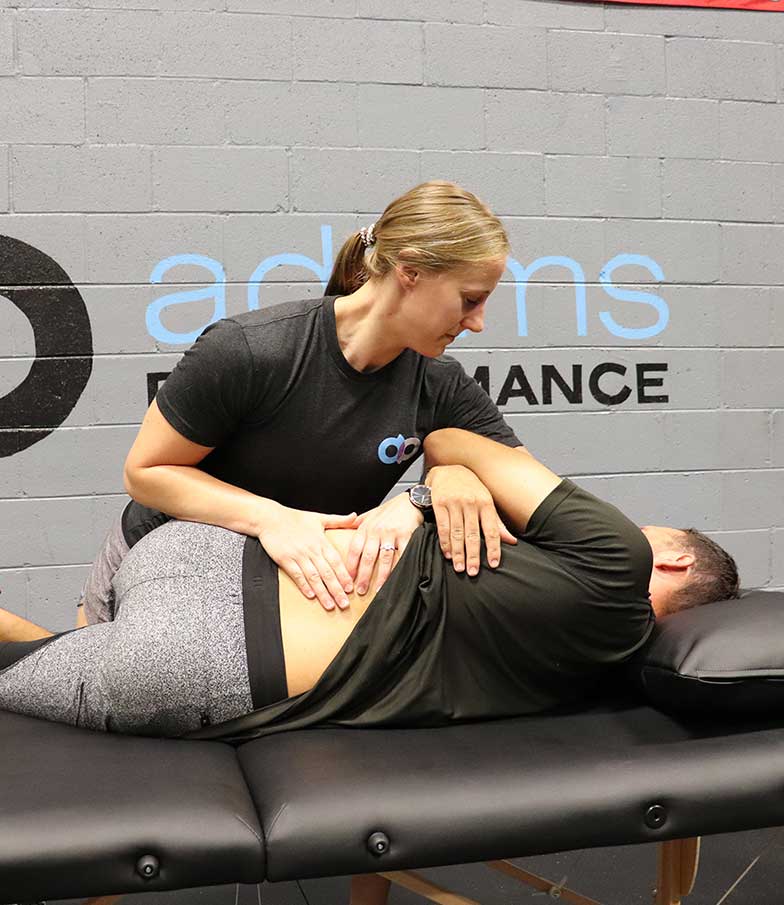
Immediately following surgery, the focus is on managing pain, swelling, and mobility limitations. Physical therapists in Richmond use hands-on techniques, gentle mobility exercises, and modalities like dry needling or manual therapy to promote healing.
2. Restoring Mobility and Strength
Once inflammation subsides, athletes begin working on range of motion and light strengthening exercises. Our physical therapy clinic in Richmond emphasizes controlled, progressive movements to prevent stiffness and muscle atrophy while ensuring proper biomechanics.
3. Sport-Specific Strength and Conditioning
As the athlete regains strength and confidence, rehabilitation transitions into performance-based training. Physical therapy integrates strength, endurance, and neuromuscular training to prepare the athlete for their return to sport.
Common Surgeries Requiring Physical Therapy
Athletes undergo various procedures that demand specialized rehabilitation to regain function and return to play safely. Some of the most common surgeries requiring post-operative physical therapy in Richmond include:
ACL Reconstruction: Regaining Knee Stability and Strength
ACL injuries are common among athletes involved in cutting, pivoting, and jumping sports such as soccer, basketball, and football. After an ACL reconstruction, the focus of physical therapy in Richmond is on:
- Restoring knee range of motion while preventing stiffness
- Gradual strengthening of surrounding muscles (quadriceps, hamstrings, and glutes) to support the knee
- Neuromuscular re-education to retrain balance, coordination, and agility
- Progressing to sport-specific drills to ensure a smooth return to play
Since ACL injuries have a high re-injury rate, physical therapists in Richmond develop long-term strengthening and movement efficiency programs to reduce future risks.
Rotator Cuff Repair: Restoring Shoulder Mobility and Overhead Function
Rotator cuff injuries are prevalent in baseball players, swimmers, weightlifters, and tennis players who frequently use overhead motions. After surgery, rehabilitation focuses on:
- Gradual passive and active-assisted range of motion exercises to prevent stiffness and frozen shoulder
- Progressive strengthening of the rotator cuff muscles to improve stability and prevent compensatory movement patterns
- Functional shoulder mechanics training to ensure a safe return to overhead activities
Athletes recovering from rotator cuff surgery require careful monitoring to prevent overuse and recurring injuries.
Meniscus Surgery: Protecting Knee Mechanics and Preventing Future Injuries
The meniscus is a crucial shock absorber in the knee joint, and tears are common in athletes involved in running, twisting, and contact sports. Physical therapy in Richmond after meniscus surgery includes:
- Controlled weight-bearing progression to promote healing without excessive stress on the knee
- Quadriceps and hamstring strengthening exercises to stabilize the knee joint
- Gait retraining and balance exercises to ensure proper knee alignment during movement
Meniscus rehabilitation varies based on the type of procedure (partial meniscectomy vs. meniscus repair), with timelines adjusted accordingly.
Achilles Tendon Repair: Rebuilding Strength and Explosiveness
The Achilles tendon is critical for jumping, sprinting, and pushing off movements. A rupture often requires surgical intervention, followed by structured rehabilitation. Physical therapists in Richmond guide athletes through:
- Progressive stretching and mobility exercises to prevent stiffness in the ankle
- Eccentric loading exercises to restore tendon elasticity and function
- Balance and plyometric drills to regain explosive movement capabilities
Athletes recovering from an Achilles tendon repair must follow a gradual return-to-sport protocol to minimize re-injury risks.
When to Start Physical Therapy After Surgery
Early intervention is key. Athletes who begin physical therapy in Richmond soon after surgery experience better long-term outcomes. While each procedure has its own timeline, the general recommendation is to start rehabilitation as soon as the surgeon clears the athlete.
By working with experienced physical therapists in Richmond, athletes can ensure a safe and efficient recovery without setbacks.
The Role of a Physical Therapy Clinic in Long-Term Success
Recovery doesn’t stop once an athlete returns to training—continued monitoring and performance therapy are crucial. At our physical therapy clinic in Richmond, we help athletes maintain strength, prevent compensatory issues, and refine movement patterns to optimize performance.
At Adams Performance, we go beyond rehab. We create a bridge between recovery and athletic excellence, ensuring that every athlete is prepared to return stronger and more resilient than before.