


Sports injuries can be frustrating setbacks, often requiring extensive rehabilitation to restore strength, mobility, and performance. Whether it’s a strained muscle, a nagging tendon injury, or post-competition soreness, athletes need effective recovery strategies to get back in the game as quickly and safely as possible.
One innovative therapy that has gained popularity in sports rehabilitation is dry needling. This evidence-based technique targets muscle tightness, reduces pain, and enhances recovery by stimulating trigger points and improving blood flow. Unlike traditional treatments that focus solely on stretching and strengthening, dry needling works deep within the muscles to accelerate healing and restore movement.
At Adams Performance, we integrate dry needling into comprehensive rehabilitation programs to help athletes recover faster, prevent re-injury, and optimize performance. In this article, we’ll explore how dry needling can be a game-changer for sports injury rehabilitation.
How Dry Needling Works in Sports Rehabilitation
Dry needling is a specialized treatment used by physical therapists to target muscle tightness, trigger points, and dysfunctional movement patterns. While it may resemble acupuncture, dry needling is based on Western medicine principles and focuses on neuromuscular function and pain relief rather than traditional Chinese medicine concepts.
The Science Behind Dry Needling
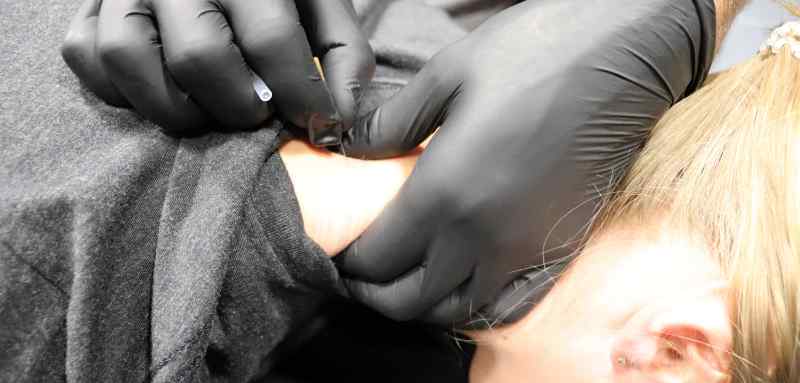
Dry needling involves inserting thin, sterile needles directly into tight or dysfunctional muscles to stimulate a healing response. This process helps to:
- Release muscle knots and trigger points, reducing pain and stiffness.
- Improve blood flow, delivering oxygen and nutrients to promote healing.
- Reset dysfunctional neuromuscular patterns, restoring optimal movement.
How It Differs from Acupuncture
While both techniques use fine needles, their purposes are distinct:
- Dry Needling: Targets myofascial trigger points to relieve pain and restore muscle function.
- Acupuncture: Based on traditional Chinese medicine, focusing on energy flow and meridians.
By addressing the root cause of muscle dysfunction, dry needling helps athletes recover faster, improve mobility, and prevent chronic pain—making it a valuable addition to sports injury rehabilitation.
Accelerating Muscle Recovery and Reducing Pain
One of the biggest challenges in sports injury rehabilitation is managing pain and speeding up muscle recovery. Dry needling is a powerful tool that helps athletes heal faster by directly targeting areas of muscle dysfunction and inflammation.
Releasing Muscle Tension and Trigger Points
When muscles become overworked or injured, they often develop tight knots, or trigger points, that restrict movement and cause pain. Dry needling works by:
- Stimulating tight muscles to release tension and restore normal function.
- Interrupting pain signals to reduce discomfort in injured areas.
- Encouraging deep muscle relaxation, which allows for better mobility and strength training.
Improving Circulation for Faster Healing
After an injury, poor blood flow can slow down recovery. Dry needling enhances circulation by:
- Increasing oxygen and nutrient delivery to damaged tissues.
- Flushing out metabolic waste that contributes to inflammation and soreness.
- Reducing swelling, helping athletes recover more quickly and return to training sooner.
By combining dry needling with a structured physical therapy program, athletes can experience quicker pain relief, enhanced muscle function, and a more efficient recovery process.
Enhancing Mobility and Preventing Re-Injury
Recovering from a sports injury isn’t just about relieving pain, it’s about restoring full mobility and preventing future issues. Dry needling plays a crucial role in improving flexibility, range of motion, and overall movement efficiency, ensuring that athletes return to their sport stronger than before.
Restoring Flexibility and Range of Motion
Injuries often lead to muscle tightness and restricted movement, which can limit an athlete’s ability to perform at their best. Dry needling helps by:
- Releasing deep muscle adhesions that restrict movement.
- Decreasing muscle stiffness, allowing for smoother, more fluid motion.
- Restoring joint mobility, which is essential for proper biomechanics.
If we address these limitations, we can help athletes move more freely and reduce compensation patterns that could lead to further injuries.
Combining Dry Needling with Physical Therapy
While dry needling is highly effective on its own, its benefits are amplified when combined with physical therapy. At Adams Performance, we integrate dry needling into a full rehabilitation plan that includes:
- Strength and stability exercises to reinforce proper movement patterns.
- Mobility drills to maintain flexibility and prevent stiffness.
- Sport-specific training to ensure a smooth transition back to competition.
Who Can Benefit from Dry Needling?
Dry needling is a versatile treatment that can benefit athletes of all levels, from weekend warriors to elite competitors. It is particularly effective for those dealing with chronic muscle tightness, sports injuries, and movement dysfunctions that impact performance.
Athletes Who May Benefit
Dry needling is commonly used in sports rehabilitation for athletes who experience:
- Muscle strains and sprains – Helps release tightness and accelerates healing.
- Tendonitis and overuse injuries – Reduces inflammation and improves tissue repair.
- Joint stiffness and mobility issues – Restores proper movement patterns.
- Post-surgical recovery – Enhances muscle activation and prevents compensatory movement dysfunctions.
Is Dry Needling Safe? What to Expect
Dry needling is a safe and minimally invasive treatment when performed by a trained physical therapist. Patients can expect:
- Mild discomfort or twitch responses as the needle stimulates the muscle.
- Immediate relief or gradual improvement over the next 24-48 hours.
- A combination of treatments (such as stretching, manual therapy, and strength exercises) to maximize long-term results.
Recovering from a sports injury requires more than just rest—it demands an active approach to healing, mobility restoration, and injury prevention. Dry needling has emerged as a powerful tool in sports rehabilitation, helping athletes relieve pain, accelerate recovery, and improve overall movement efficiency.
By targeting muscle tightness, enhancing circulation, and restoring proper function, dry needling supports athletes in getting back to their sport stronger and more resilient than before. When combined with comprehensive physical therapy, this treatment becomes even more effective in preventing future injuries and optimizing performance.
At Adams Performance, we specialize in personalized sports rehabilitation programs that integrate dry needling with strength training, mobility work, and sport-specific exercises. Whether you’re recovering from an injury or looking to enhance your athletic performance, our expert team is here to help.
Ready to experience the benefits of dry needling? Schedule an appointment today and take the next step toward pain-free movement and peak performance.